
Why Construction Projects Fall Behind Schedule — and What the Reports Don't Tell You
Construction delays rarely begin on the day a project falls behind. The warning signs often appear much earlier.
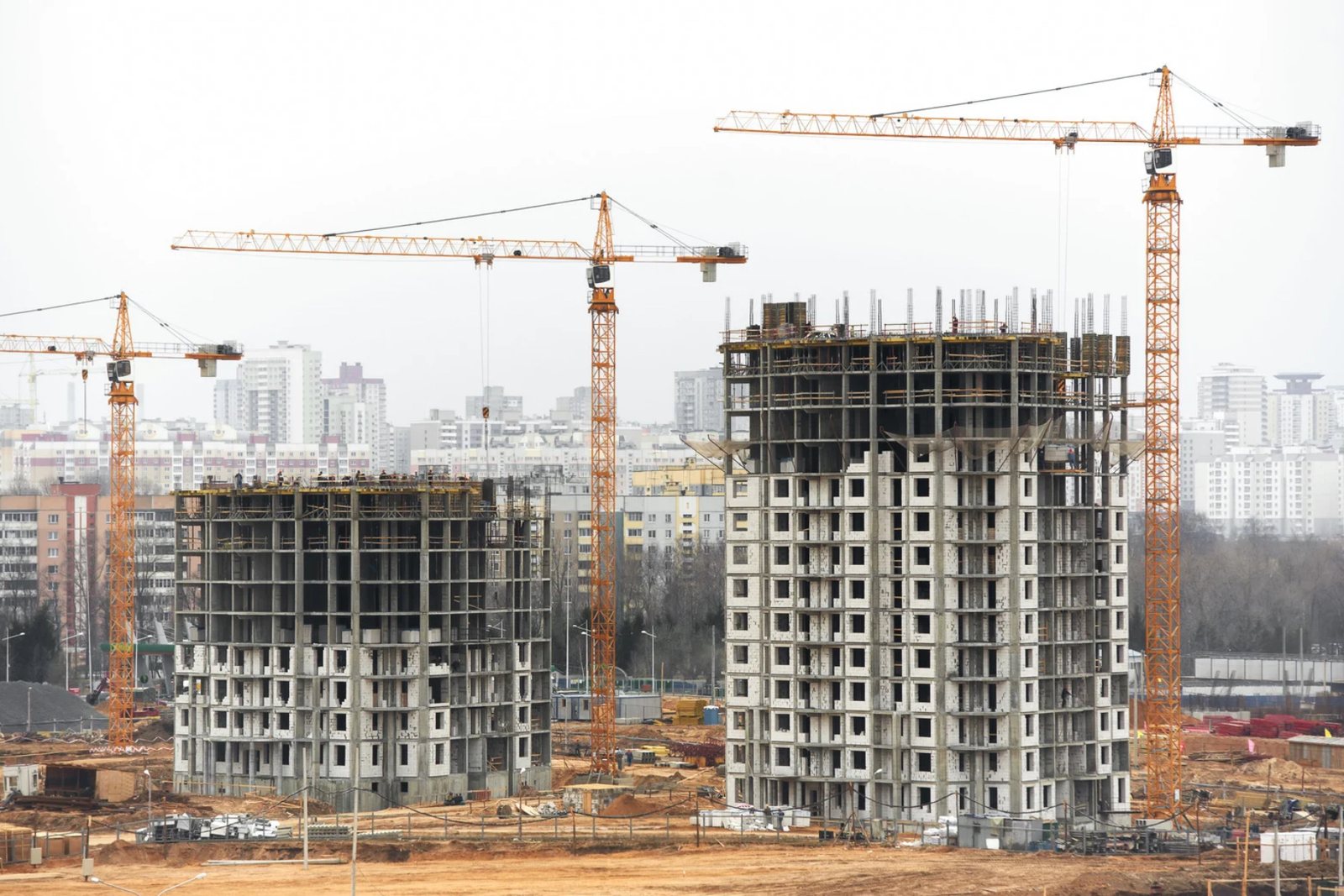
A project is progressing according to its latest schedule. Excavation is complete, foundations are underway, and the next activities are planned.
Then a structural drawing requires revision. An RFI remains unanswered. A critical material delivery is pushed back. Another subcontractor cannot access the workfront.
Individually, these may appear to be manageable issues. Together, they can disrupt an entire sequence of activities.
By the time the monthly progress report shows a delay, the underlying problem may be weeks old.
The Real Problem Is Often Between Activities
Construction schedules show activities, durations, dependencies and milestones. But actual project execution depends on much more.
Drawings must be approved. Materials must arrive. Workfronts must be available. Inspections must be completed. Decisions must reach the people executing the work.
A delayed drawing does not automatically delay project completion. Its impact depends on which activities require it, whether those activities have available float, and whether work can be resequenced.
This is why understanding delay requires more than comparing planned and actual progress.
It requires connecting engineering, procurement, site conditions, approvals and programme information.
From Reporting Delays to Identifying Risks Earlier
Traditional project controls establish baselines, track progress and assess schedule variances.
Specialised AI agents could add another layer: examining related project records for developing constraints before their effects become visible in progress figures.
Imagine an AI agent reviewing the construction programme alongside drawing registers, RFI responses, procurement commitments and daily site reports.
It could identify an unresolved engineering dependency affecting an upcoming activity, flag a delivery commitment inconsistent with the look-ahead programme, or highlight an issue that has remained open across successive reporting cycles.
Crucially, the agent should distinguish a potential risk from an established critical-path delay.
The planning engineer would still assess the programme impact. The project manager would decide corrective actions. Contractual notices and extension-of-time assessments would remain subject to professional judgement and contractual requirements.
The Future: Construction That Anticipates
Imagine weekly project reviews beginning with emerging constraints rather than last week's percentage completion.
Instead of discovering that work has stopped, project teams could see which decisions, materials and approvals threaten the next sequence—and who needs to act.
AI agents will not eliminate design changes, unexpected ground conditions, weather disruptions or supply-chain problems.
But properly connected to reliable project information, they could help teams recognise developing risks earlier and respond with greater clarity.
The future of construction planning is not just knowing how far behind a project is. It is understanding what could put it behind—and acting while there is still time.